Why the “One-Bookkeeper” Model Is Failing Growing Businesses
Chris Henhouse · Co-Founder, PBS Professional Bookkeeping Services
For a long time, the single-bookkeeper model worked - or at least, it appeared to.
One person handled payroll, bookkeeping, BAS, super, reports, admin queries, and whatever else the business needed. As long as the business stayed small and simple, the cracks were easy to ignore.
But as businesses grow, that model quietly becomes unsustainable.
Not because bookkeepers aren’t capable - but because the role itself has become unachievable.
The problem isn’t people. It’s structure.
Modern bookkeeping now sits at the intersection of:
payroll compliance
award interpretation
superannuation rules
reporting accuracy
system integrations
ongoing legislative change
That’s before you layer in the reality that, in many businesses, the bookkeeper also becomes the default admin support, HR fallback, and general problem-solver.
At a certain point, no single person can stay across all of it - not without something slipping.
What we see most often isn’t immediate failure, it's delayed risk.
Payroll issues that go unnoticed.
Super that bounces back and no one realises.
Reports that technically exist, but aren’t trusted.
Compliance that looks fine - until it isn’t.
The leave problem no one talks about
There’s another issue with the traditional model that rarely gets discussed.
Leave.
When one person holds all the knowledge, systems, and responsibility, they don’t really get to step away. Or if they do, the business stalls while they’re gone.
I’ve seen this firsthand.
Leanne (my business partner and chief bookkeeper at PBS) once went nearly two decades without a proper break - not because she wanted to, but because the model didn’t allow it.
That’s not dedication, that’s a structural flaw.
And eventually, someone pays the price - usually the person holding it all together.
Growth changes the rules
There’s no neat revenue number where the model suddenly breaks. Some businesses hit it at $2M. Others push past $5M before realising.
The common factor isn’t size - it’s complexity.
More staff.
More payroll frequency.
More reporting expectations.
More decisions that rely on accurate, timely data.
At that point, asking one person to do everything doesn’t just create pressure - it creates blind spots.
A different way forward
At PBS, we didn’t set out to “disrupt” anything. We were responding to lived experience.
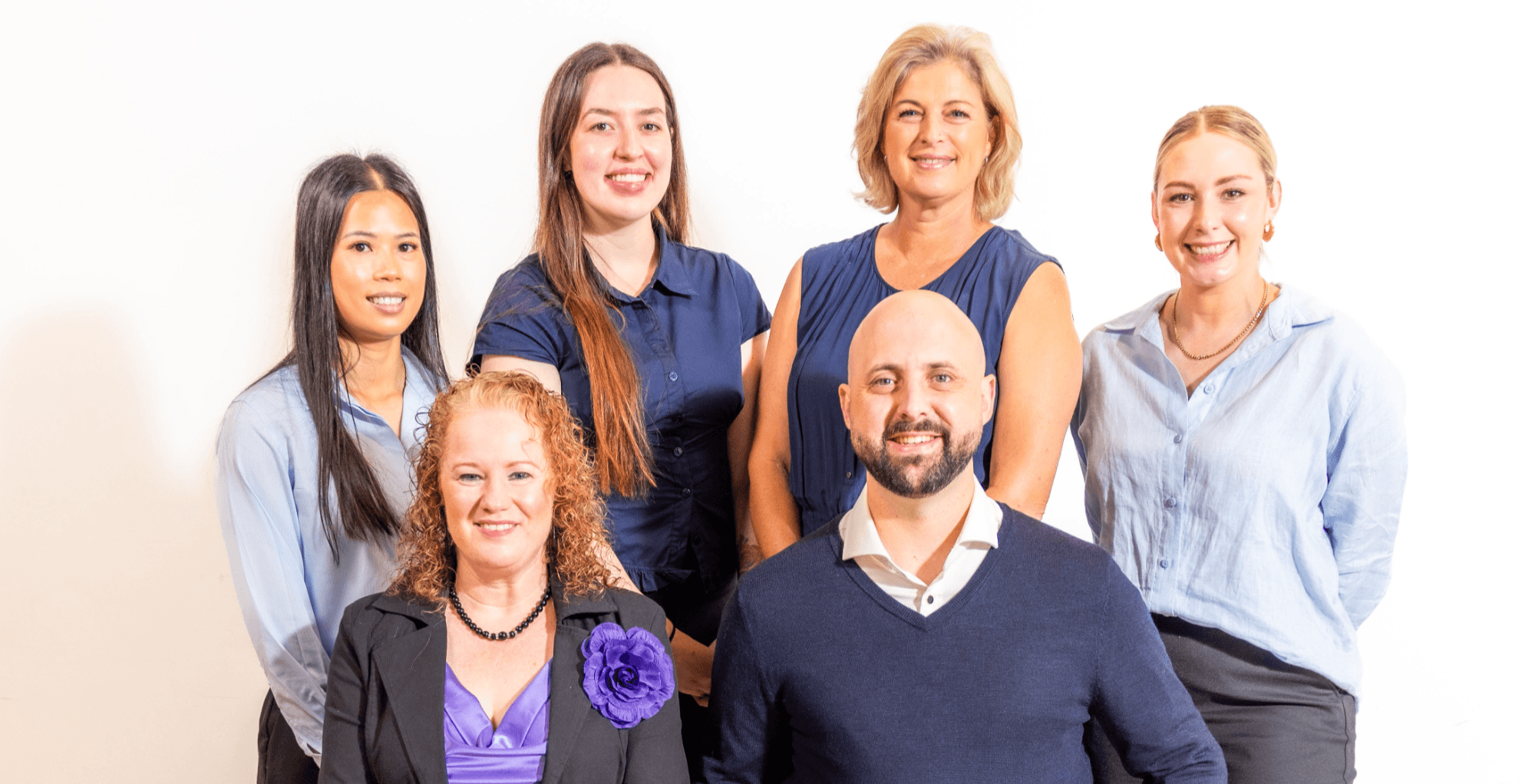
I worked with my team to split the traditional bookkeeper role into specialists:
payroll
bookkeeping
data and reporting
Each role has depth, each specialist stays current, and each part of the process has ownership.
The result isn’t just better compliance, it’s also fewer surprises!
Business owners don’t find out late that something went wrong, they don’t lose sleep over what they don’t know, and most importantly - they don’t depend on one person holding everything together.
This is the new era of bookkeeping
Growing businesses don’t need heroics anymore, but instead -
They need systems that scale.
They need expertise that doesn’t burn out.
They need clarity they can trust.
The one-bookkeeper model had its place. But modern businesses have outgrown it.
I’m looking forward to sharing more of our expertise and approach to bookkeeping on LinkedIn this year, stay tuned!
If you’d like to learn more, or book in a chat with the team, click through to - https://pbservice.com.au/
Stay Up To Date With Our Blog
Explore updates, field notes, and stories that showcase our mission and impact.